Emergency First Aid: Life-Saving Skills Everyone Should Know
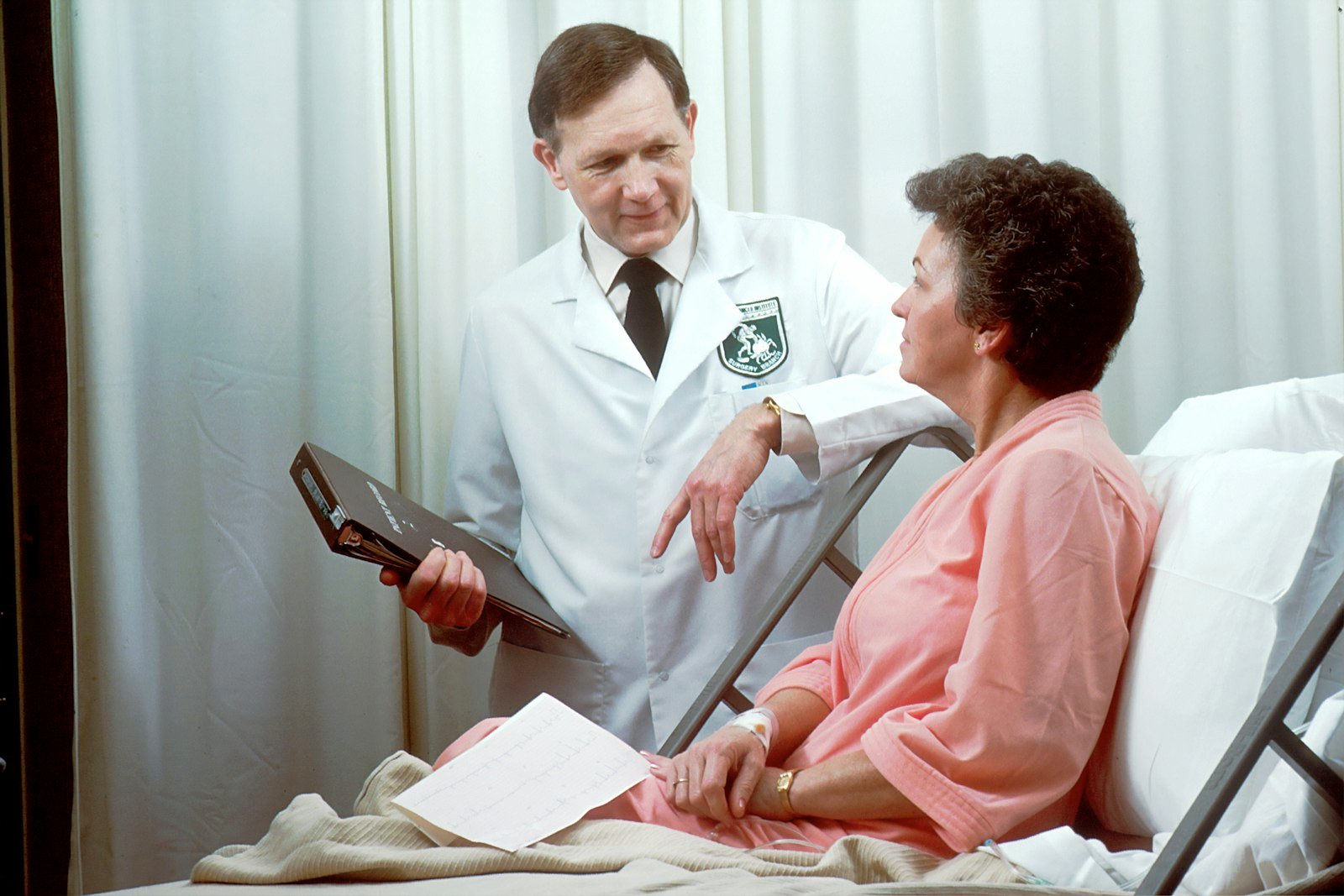
Accidents and medical emergencies strike without warning — at home, on the road, at work or during leisure activities. In the critical minutes before professional help arrives, the actions of a bystander can mean the difference between life and death, between full recovery and permanent disability. Yet most Indians have never received formal first aid training, and common myths about emergency care abound. At Dr. R B Yadav Hospital, our emergency department sees hundreds of trauma and medical emergencies monthly, and we know that informed bystanders save lives. This article covers the essential first aid skills that every adult should master, from cardiac arrest and choking to burns, bleeding and fractures.
Cardiac arrest: act fast with CPR
Cardiac arrest occurs when the heart suddenly stops pumping blood effectively. The victim collapses, becomes unresponsive and stops breathing normally. Without immediate intervention, brain damage begins within 4–6 minutes and death is almost certain within 10 minutes. Cardiopulmonary resuscitation (CPR) keeps blood flowing to the brain and heart until a defibrillator can restore normal rhythm.
To perform hands-only CPR, place the heel of one hand in the centre of the chest, place the other hand on top, and push hard and fast — at least 5 cm deep and 100–120 times per minute. Allow the chest to recoil completely between compressions. Do not stop until professional help arrives or the person shows signs of life. If an AED (automated external defibrillator) is available, turn it on and follow the voice prompts. Early CPR combined with defibrillation within 3–5 minutes of collapse can increase survival rates from less than 10% to over 70%.
Choking: the Heimlich manoeuvre
Choking happens when an object blocks the airway, preventing breathing. A person who is truly choking cannot cough, speak or breathe and may clutch their throat. Ask 'Are you choking?' If they nod and cannot speak, act immediately. Stand behind the person, wrap your arms around their waist, make a fist with one hand and place it just above the navel. Grasp your fist with the other hand and perform quick inward and upward thrusts until the object is expelled.
For infants under one year, do not use abdominal thrusts. Sit and lay the baby face down along your forearm, supporting the head. Give five back blows between the shoulder blades, then turn the baby face up and give five chest thrusts with two fingers in the centre of the chest. Repeat until the object is dislodged or the infant becomes unresponsive, at which point you should begin CPR and call for emergency help. All parents and caregivers should learn infant choking protocols.
Severe bleeding: control it quickly
Severe bleeding can cause death within minutes. The priority is to stop the bleeding as quickly as possible. Apply firm, direct pressure to the wound using a clean cloth, bandage or your hand if nothing else is available. Maintain pressure continuously for at least 10–15 minutes without lifting to check. If blood soaks through, add more layers on top rather than removing the original dressing.
If direct pressure does not control bleeding and the wound is on a limb, apply a tourniquet 5–10 cm above the wound if trained to do so. Note the time the tourniquet was applied — it should be loosened only by medical professionals. Never remove embedded objects from a wound, as they may be plugging a bleeding vessel. Elevate the injured limb above heart level if possible. Call emergency services immediately for any uncontrolled bleeding.
Burns: cool, cover and call
For thermal burns, immediately cool the affected area under cool running water for at least 10–20 minutes. This stops the burning process, reduces pain and limits tissue damage. Do not use ice, as it can cause further tissue injury. Remove jewellery and loose clothing near the burn, but do not remove anything stuck to the skin. After cooling, cover the burn with a clean, non-stick dressing or cling film — never apply butter, oil, toothpaste or creams, which can trap heat and introduce infection.
Chemical burns require immediate removal of the chemical by flushing with copious amounts of water for at least 20 minutes. Electrical burns may cause hidden internal injuries even when the skin appears only mildly affected — always seek medical evaluation. Burns larger than the palm of the victim's hand, burns on the face, hands, feet or genitals, deep burns, and burns in children or elderly people require emergency medical care.
Fractures, sprains and head injuries

For suspected fractures, immobilise the injured limb using a splint — any rigid object like a wooden stick, rolled newspaper or cardboard can work in an emergency. Pad the splint to prevent pressure sores. Do not attempt to straighten a deformed limb. Apply a cold pack wrapped in cloth to reduce swelling. Elevate the limb if possible. For open fractures with bone protruding, cover the wound with a clean dressing without pushing the bone back in.
Head injuries require careful assessment. If the person is conscious, watch for warning signs over the next 24 hours: worsening headache, vomiting, confusion, drowsiness, seizures, unequal pupils or weakness in limbs. Any of these signs requires immediate emergency care. For an unconscious person, place them in the recovery position (on their side) to keep the airway open, and call for an ambulance. Never give food or drink to someone with a significant head injury.
Building a first aid kit and emergency plan
Every home, workplace and vehicle should have a well-stocked first aid kit containing: adhesive bandages in various sizes, sterile gauze pads, adhesive tape, elastic bandages, antiseptic wipes, tweezers, scissors, disposable gloves, a digital thermometer, pain relievers, oral rehydration salts and a first aid instruction manual. Check expiry dates every six months and replace used or expired items promptly.
Save emergency numbers in all family phones. Know the route to the nearest hospital with emergency services. Identify family members with medical conditions and ensure their medications and histories are accessible. Consider enrolling in a certified first aid and CPR course — skills learned in a few hours can save a loved one's life. At Dr. R B Yadav Hospital, our 24/7 emergency department is equipped and staffed to handle all medical emergencies. But the first responder is often you — and being prepared is the greatest gift you can give your family and community.