Liver Health: Fatty Liver Disease is the New Silent Epidemic
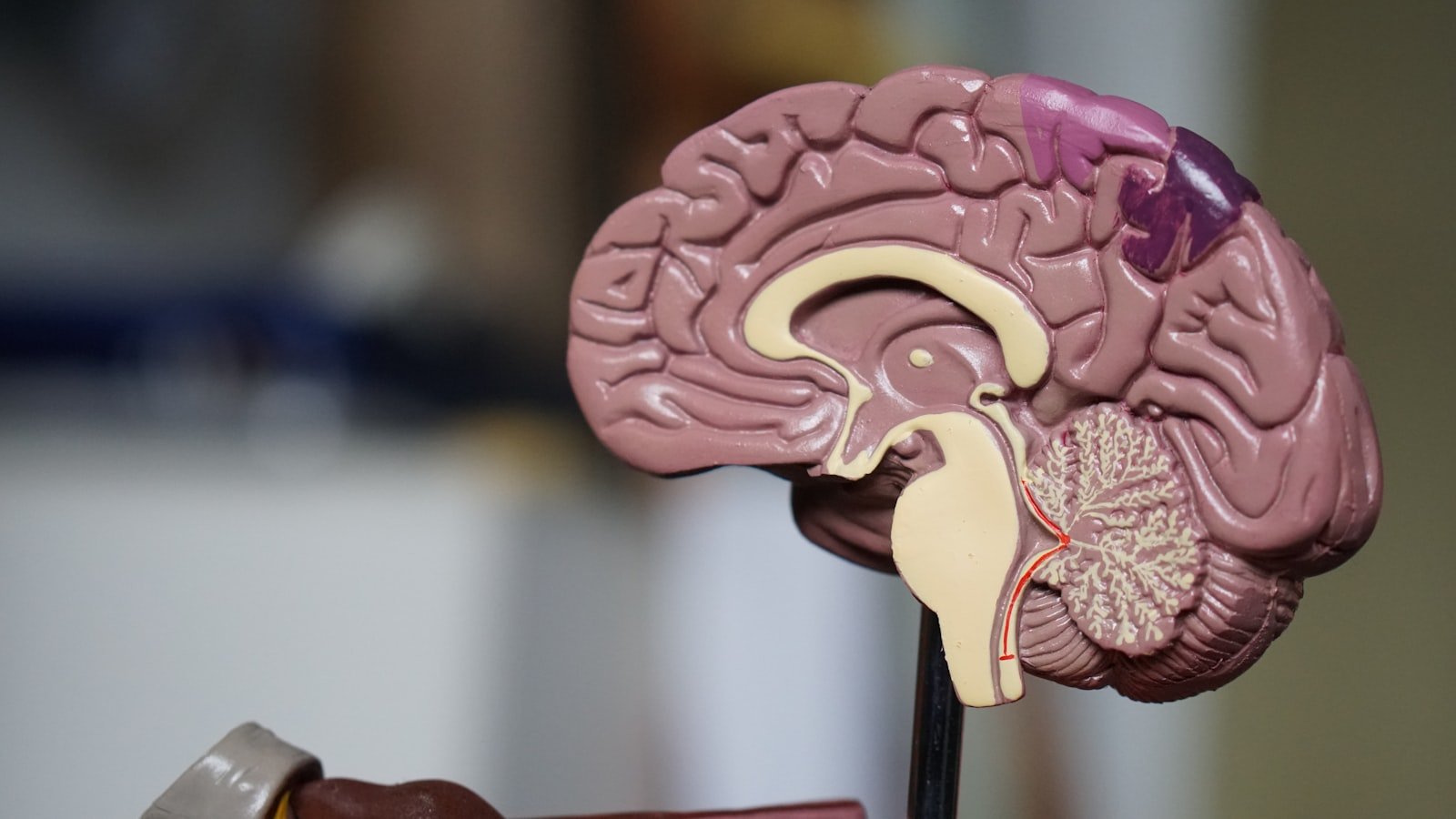
The liver is the body's largest internal organ and one of its hardest-working — it filters toxins, produces bile, stores energy, makes proteins and regulates hundreds of chemical reactions every second. Yet most people only think about their liver when something goes seriously wrong. In the last decade, non-alcoholic fatty liver disease (NAFLD) has quietly become the most common liver disorder in India, affecting an estimated one in three urban adults — most of them without any symptoms. Understanding fatty liver and how to reverse it is one of the most important things you can do for your long-term health.
What is fatty liver disease?
Fatty liver simply means excess fat is being stored in liver cells. A small amount of fat is normal; once fat makes up more than 5% of the liver's weight, it becomes a disease. There are two broad types — alcoholic fatty liver disease (caused by heavy drinking) and non-alcoholic fatty liver disease (NAFLD), which now accounts for the majority of cases and is closely linked to obesity, diabetes, high cholesterol and a sedentary lifestyle.
Early fatty liver, by itself, causes no symptoms and rarely any harm. The problem is that in 10–20% of patients it progresses to non-alcoholic steatohepatitis (NASH) — inflammation and scarring of the liver. Untreated NASH can slowly lead to fibrosis, cirrhosis and even liver cancer. Fatty liver also strongly raises the risk of heart attack and type 2 diabetes.
Who is at risk?
You are at higher risk of fatty liver if you have a large waist (>90 cm men, >80 cm women), diabetes or pre-diabetes, high triglycerides, low HDL cholesterol, polycystic ovarian syndrome, hypothyroidism, or a family history of fatty liver. Many slim people also develop fatty liver — so-called 'lean NAFLD' — particularly South Asians, due to genetic predisposition.
Other less common causes include certain medications (steroids, methotrexate, tamoxifen), rapid weight loss and chronic hepatitis. Alcohol, even in moderate amounts, accelerates fat accumulation and inflammation.
How is it diagnosed?
Most fatty liver is picked up incidentally on an abdominal ultrasound done for another reason. Blood tests may show mildly raised liver enzymes (SGPT/ALT, SGOT/AST), although many patients have normal enzymes. A FibroScan is a quick, painless ultrasound-based test that measures liver fat and stiffness (a marker of scarring) — it is now widely available and is the best single test for assessing severity.
If significant scarring is suspected, the doctor may recommend a more detailed evaluation, including specific blood markers or, rarely, a liver biopsy.
The good news: it is largely reversible

Unlike many chronic conditions, fatty liver responds dramatically to lifestyle change. Studies show that losing just 7–10% of body weight can completely reverse fat accumulation and even early scarring. The proven strategy combines three elements: a calorie-controlled diet, regular exercise and elimination of alcohol.
Diet should emphasise vegetables, fruits, whole grains, pulses, nuts, fish and olive oil — broadly the Mediterranean pattern. Cut down sharply on sugar, refined carbohydrates (white rice, maida, biscuits, sweets), sweetened drinks (cold drinks, packaged juices) and deep-fried foods. Fructose from sweet drinks is particularly damaging to the liver. Drink plenty of plain water; black coffee in moderation (2–3 cups a day) has been shown to protect the liver.
Exercise should include at least 150 minutes a week of brisk walking, cycling or swimming, plus two sessions of strength training. Even without weight loss, regular exercise reduces liver fat significantly.
Medications and follow-up
There is no single 'magic pill' for fatty liver, but controlling related conditions matters enormously: tight control of diabetes (with newer drugs like SGLT2 inhibitors and GLP-1 agonists that also reduce liver fat), good blood pressure control, statins for high cholesterol when indicated, and vitamin E in selected patients with NASH. All of these should be prescribed by your doctor.
Annual liver function tests, ultrasound or FibroScan, and screening for diabetes and heart disease are essential. Avoid herbal supplements and over-the-counter 'liver tonics' — many of them are unregulated and can actually harm the liver.
Protecting your liver for life
Beyond fatty liver, simple habits protect against hepatitis A, B and E, alcoholic liver disease and drug-induced injury: get vaccinated against hepatitis B (and hepatitis A if not already immune), use only safe needles and tested blood products, practise safe sex, drink alcohol minimally if at all, take paracetamol only at recommended doses, and tell every doctor about every medication and supplement you take.
At Dr. R B Yadav Hospital, our gastroenterology and hepatology services include FibroScan, full liver panels, hepatitis screening and lifestyle counselling. If you have ever been told you have fatty liver — or if you have diabetes, obesity or high cholesterol — do not wait for symptoms. A single visit can map out a plan to give your liver back the life it gives you.