Skin Care: Evidence-Based Routines for Healthy Indian Skin
Skin is the largest organ of the body — it protects us from infection, regulates temperature and reflects our overall health. Yet skin care in India is dominated by misinformation, miracle creams and the unhealthy obsession with fairness. The truth is far simpler and far more empowering: healthy, glowing skin comes from a small number of evidence-based habits practised consistently, not from expensive products or unproven treatments. This article cuts through the noise with what a dermatologist actually recommends.
Understanding your skin type
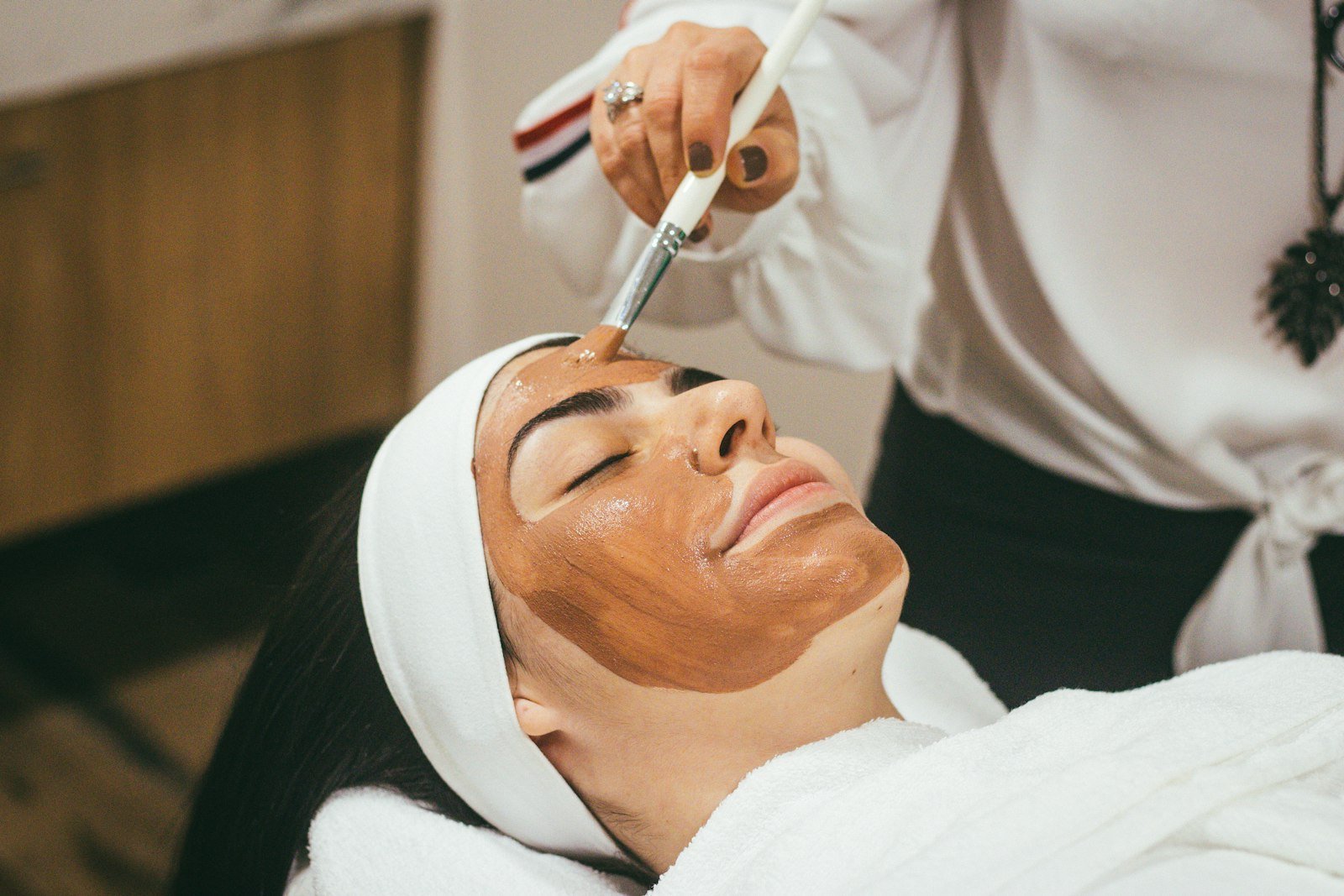
Before buying any product, identify your skin type: oily, dry, combination, normal or sensitive. The simplest test is to wash your face with a gentle cleanser, pat dry and wait an hour without applying anything. If your skin feels tight, you are dry; if it feels shiny everywhere, you are oily; if only the T-zone shines, you are combination. Indian skin also has more melanin, which gives natural sun protection but is more prone to pigmentation, tanning and dark marks after acne or injury.
Knowing your type prevents you from buying products designed for someone else. A heavy moisturiser meant for dry Western skin will cause breakouts on oily Indian skin. A harsh anti-acne cleanser will leave dry skin raw and inflamed.
The CMS routine: cleanse, moisturise, sunscreen
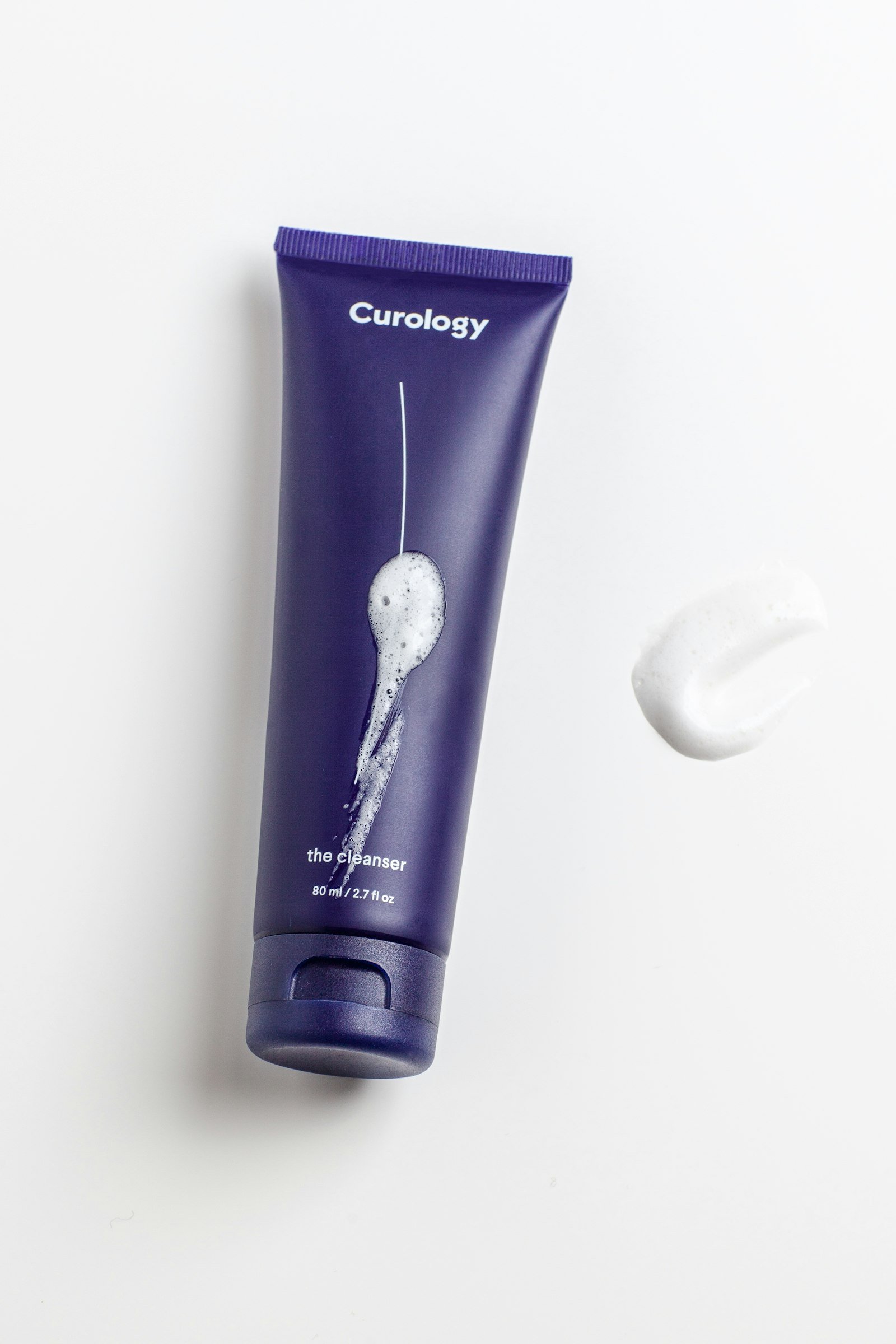
An effective daily skincare routine has only three steps. First, cleanse twice a day with a gentle pH-balanced face wash — avoid soap bars on the face. Second, moisturise: even oily skin needs a light, non-comedogenic moisturiser to maintain the skin barrier. Third, and most important, sunscreen every single morning, rain or shine, indoors or outdoors. Use a broad-spectrum SPF 30 or higher and reapply every 3–4 hours during sun exposure.
Sunscreen is the single most powerful anti-ageing and anti-pigmentation product available. Indian skin pigments easily, and most dark spots, melasma and uneven tone are driven by ultraviolet exposure. Daily sunscreen for life will do more for your skin than any cream or facial.
Acne: what works and what doesn't

Acne is not a sign of poor hygiene — it is driven by hormones, genetics, excess oil and bacteria. Washing your face ten times a day makes it worse, not better. Effective treatments include topical retinoids (adapalene), benzoyl peroxide, salicylic acid and, for moderate to severe acne, prescription antibiotics or hormonal therapy. Severe nodulocystic acne often needs oral isotretinoin under specialist supervision.
Do not pop pimples — it causes scarring and pigmentation that last far longer than the pimple itself. Be wary of social-media remedies (toothpaste, lemon juice, baking soda) which damage the skin barrier. If acne is persistent, painful or scarring, see a dermatologist early.
Pigmentation, tanning and the fairness myth
Pigmentation is one of the most common complaints in Indian dermatology clinics. Melasma (brown patches on the cheeks, forehead and upper lip), tanning, dark circles and post-acne marks all respond to a consistent routine: strict sun protection, gentle exfoliation with ingredients like azelaic acid, niacinamide or kojic acid, and dermatologist-prescribed lightening agents when needed.
What does not work — and often causes long-term damage — are strong steroid-based fairness creams sold over the counter. They thin the skin, cause permanent redness, broken capillaries and a particularly stubborn form of pigmentation called steroid-induced rosacea. Healthy skin is not 'fair' or 'dark' — it is even-toned, smooth and undamaged.
Ageing well: realistic anti-ageing
The single biggest cause of premature skin ageing is sun exposure. After that come smoking, poor sleep, chronic stress and a diet high in sugar. Evidence-based anti-ageing ingredients include sunscreen (above all), topical retinoids at night, vitamin C in the morning, and moisturisers with hyaluronic acid and ceramides. Procedures like chemical peels, microneedling and lasers can help but should only be done by qualified dermatologists.
Drink water, sleep 7–8 hours, eat a diet rich in antioxidants (vegetables, fruits, nuts, fish) and manage stress — your skin will reflect the care you give your whole body.
When to see a dermatologist
Self-care works for most everyday skin concerns, but see a dermatologist for persistent acne, sudden hair fall, any mole that is changing in size or colour, chronic rashes, recurrent fungal infections, or any skin condition affecting your confidence and quality of life. Early treatment prevents scarring and chronic problems.
At Dr. R B Yadav Hospital, our dermatology clinic provides evidence-based skin and hair care for all ages — without unrealistic promises. Healthy skin is not a luxury; it is a sign of overall health.